



When Reality Doesn’t Match Expectations in the French Capital
Visiting Paris: A Dream Desination
With 36.5 million visitors in 2016, Paris, France is one of the most visited cities in the world, just behind London and Bangkok. The French capital is one of the most sought-after places to travel, with millions of tourists placing this city at the top of their travel bucket list. I lived in Paris for 6 months, so I understand the hype of this city. Paris can seem like the center of the universe for those who love it because it is home to the best of practically everything – fashion, food, architecture, and culture. I absolutely loved my time in Paris, but a lot of travelers have trouble reconciling their less-than-perfect experiences with their grand expectations of the city. When their fantasy doesn’t match up with reality, some travelers experience what is now called “Paris Syndrome.”


What is Paris Syndrome?
Paris Syndrome is a term created to describe the shock or unhappiness tourists feel when visiting Paris, particularly when their expectations of Paris don’t match the reality they experience once they visit the city. Wikipedia describes Paris Syndrome as “extreme shock derived from [tourists’] discovery that Paris is not what they had expected it to be.” “Paris Syndrome” was first coined by psychiatrist Hiroaki Ota in 1986, but it is not an officially recognized condition. Essentially, Paris Syndrome is an extreme version of culture shock that can manifest itself in severe psychological reactions like hallucinations (at its worst) or a strong sense of disappointment (at its best). Most sources note that this “affliction” most significantly affects Japanese and Chinese tourists. High expectations combined with exhaustion, jet lag, and language and cultural barriers create the perfect storm for Paris Syndrome to occur. Because these factors are so exacerbated in Japanese and Chinese travelers, these are the tourists most susceptible to the condition. Although the general concept of Paris Syndrome can apply to any well-traveled city, the fantasy and excitement associated with Paris and the high volume of travelers visiting the capital make it a prime location for this condition.


The Prevalence of Paris Syndrome
Admittedly, Paris Syndrome is a “first world problem” with few actual consequences besides disenchantment with the City of Lights. I wouldn’t normally write about a topic like this, but I was surprised to learn that there is a psychological condition associated with one of my favorite cities. I was shocked because I LOVE Paris, so I wanted to see why some people didn’t feel what I felt about this iconic city. When I asked around, lots of my friends said it just wasn’t what they expected – they didn’t feel the cliche magic they expected after watching movies and looking at gorgeous Instagram shots of the city. I can totally understand how people could feel this way – after reading too much Hemingway and watching old romantic movies about the city, it’s easy to believe you’re going to visit Paris, fall in love, and have this beautiful cultural experience that changes your life. Unfortunately, these high expectations set many tourists up for disappointment once they arrive.


How to Avoid Paris Syndrome
If all this talk about Paris Syndrome has you rethinking your travel plans, don’t worry – it’s extremely unlikely you’ll experience this condition. Even among Japanese travelers, only 0.0012% experience this extreme form of culture shock every year. However, I have noticed that a lot of travelers I’ve spoken to are torn on Paris- some love the city, while others found it disappointing. Some of my friends have no desire to visit Paris again after going to the City of Lights once. So, while the true prevalence of Paris Syndrome is low, there are a still plenty of people who feel disappointed and disenchanted with the French capital.
I LOVE Paris. I truly believe it’s one of the most beautiful, exciting cities in the world, and despite all these warnings, it lived up to every expectation I had. I want everyone to have the wonderful experience I had, so I have some tips for a great trip to Paris. I think the most important thing for tourists to understand about Paris is that it’s a real city- people work and live here, and like any other city, it’s not going to be perfect. Some metro stops are dirty, there are scammers and beggars at every tourist sight, and there are unsafe and unsavory parts of town.
To experience the Paris I love, you should take your time to immerse yourself in French culture and accept the fact that the city will have some flaws. Basically: spend less time in line at the Louvre and more time at bistros eating food you can’t pronounce. If you’re “doing Paris” in three days, you’re going to be exhausted. There are SO many sights in Paris. I lived there for six months, and there are still so many things I want to go back to do. I totally understand the desire to pack as many sights in as humanly possible during your time in Paris, but I think you’ll be happier if you leave time to freely wander and soak in the city. Walk aimlessly along the Seine, have a picnic on the Canal Saint Martin, and go to local markets. My favorite days in Paris were days spent wandering through an arrondissement, eating whatever looked good, and stopping into smaller museums and shops. For an idea of what I did on an average day out in Paris, check out my guide to Saint Germain des Pres.


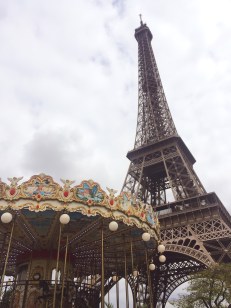


Paris is Always a Good Idea
Paris is a cultural mecca, home to some of the most wonderful museums, restaurants, and fashion houses in the world. Let yourself enjoy the city instead of rushing through sight after sight. I can’t promise you’ll avoid Paris Syndrome, but I do know you’ll be experiencing Paris the French way.


SaveSave
SaveSave
SaveSave